


In an anonymous online community, one person shared how heavy the days after the holidays feel. They described how Christmas felt warm, colourful, and alive — and how, once it ended, everything suddenly felt flat and grey again. “It’s like all the colour just disappears overnight,” they wrote, explaining how hard it was to adjust when the festive period ended and normal life resumed.
In another anonymous online community, someone reflected on how difficult it felt to return to routine after the “vacation high” wore off. They shared that even though nothing was technically wrong, everyday structure suddenly felt overwhelming. “I know I need to get back into routine, but my brain just doesn’t want to cooperate,” they explained, describing the emotional drop that followed time off.
What stood out wasn’t just the sadness — it was how familiar these experiences felt. The quiet loss of energy. The dip in motivation. The pressure to return to “normal” when your body and brain aren’t ready yet.
In this article, we’ll explore why post-holiday blues can hit especially hard for neurodivergent people, what’s actually happening beneath the surface, and how to ease back into routine without forcing productivity or burning yourself out.
30 day money back guarantee
No Credit Card Required Upfront
What Post-Holiday Blues Actually Feels Like
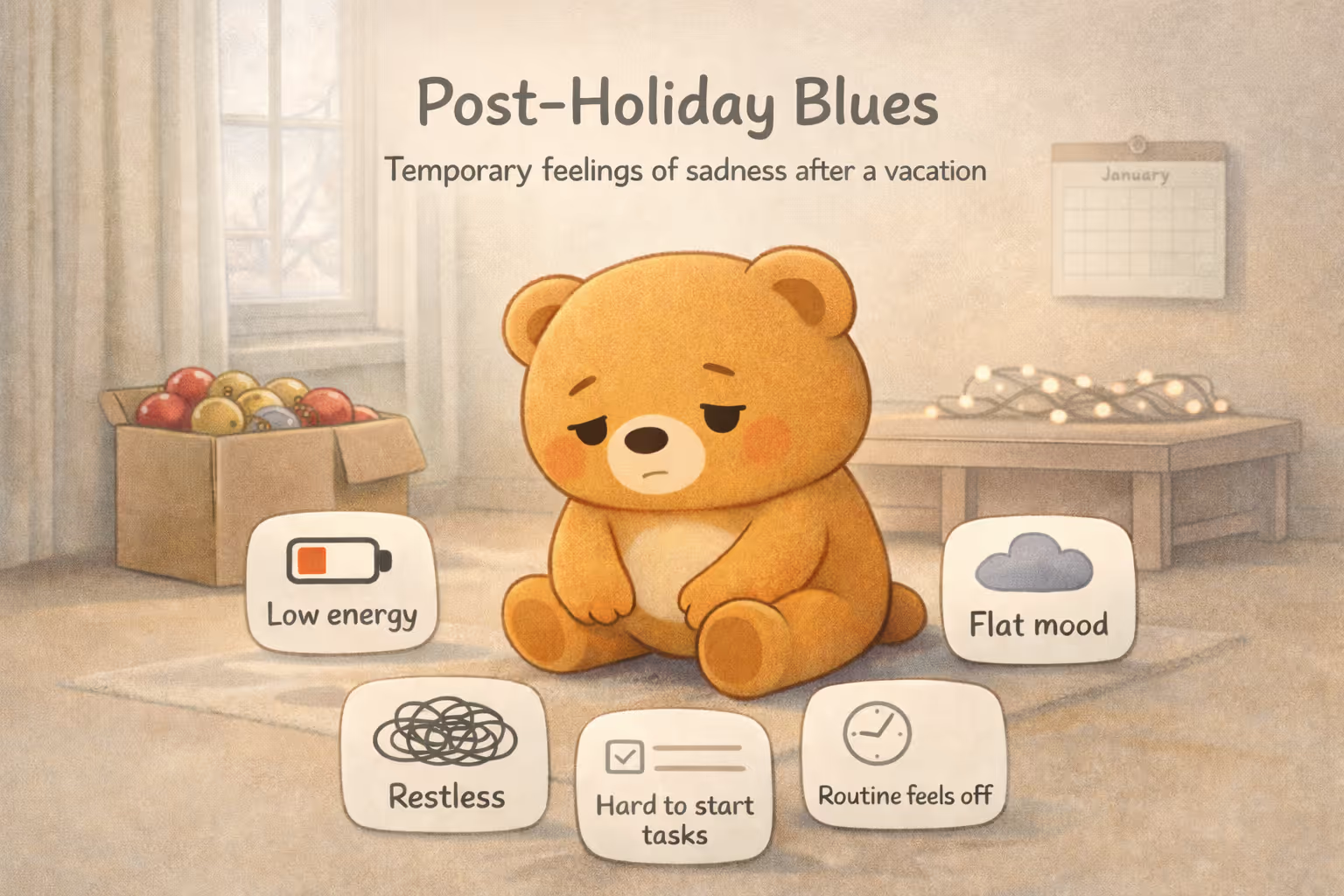
Post-holiday blues often isn’t just “feeling a bit sad.” Research shows that time off can improve mood and wellbeing, but those benefits can fade quickly once everyday demands and routines return (Bloom et al., 2012). The sudden shift from flexible, low-pressure days back into structure and expectations is a big reason why normal tasks can start to feel heavier.
This experience is usually temporary, but it can still feel intense. People often report low mood, tiredness, restlessness, reduced motivation, and difficulty settling back into routine. Experts suggest part of this emotional drop is linked to changes in the brain’s reward system — when the novelty and stimulation of the holidays end, dopamine levels can dip, making things feel flatter or less rewarding (Feldmann et al., 2023).
Arakelyan (2020) described this as Post-Holiday Syndrome — a short-term state after holidays where people feel emotionally drained, fatigued, or out of sync as daily life resumes. It isn’t considered a mental disorder, but it can include very real emotional and physical symptoms, such as disrupted sleep or losing interest in things that usually feel enjoyable, especially during periods of transition.
Why Post-Holiday Blues Feel More Intense For Neurodivergents
Transition and Change are Harder for Neurodivergent Brains
For many neurodivergent people, post-holiday blues can feel stronger because transitions themselves take more emotional energy.
Research shows that autistic adults often experience higher levels of distress around change and uncertainty even when the change is expected. This is sometimes described as intolerance of uncertainty, which means the brain works harder when routines, rhythms, or expectations shift suddenly (Rodgers et al., 2018).
Holidays usually come with flexible schedules, fewer demands, and more choice. When that ends all at once, the nervous system doesn’t always switch back as quickly as the calendar does. Feeling flat, overwhelmed, or emotionally off during this transition isn’t a failure — it’s your brain adjusting to change.
Executive Function Demand Immediately Spikes After Holidays
After the holidays, executive function demand often comes back all at once. Executive function includes things like planning, organising, remembering tasks, managing time, starting tasks, and switching between activities. During holidays, many of these demands are reduced, paused, or shared. Days are usually looser. There are fewer deadlines. Decisions are often based on energy, mood, or comfort rather than obligation.
Research on recovery after holidays shows that wellbeing tends to improve during time off, but these benefits fade quickly once work and routine resume, because everyday demands and responsibilities return immediately (Syrek et al., 2018). Instead of easing back in, people are often expected to switch straight back into full planning, decision-making, and task management mode.
For neurodivergent people, this sudden shift can feel especially heavy. Research shows that both ADHD and autism are associated with differences in executive functioning, including difficulties with planning, task initiation, working memory, and cognitive flexibility (Willcutt et al., 2005; Demetriou et al., 2017). When routine returns after the holidays, these executive systems are suddenly under much more pressure. That increase in demand can show up as fatigue, overwhelm, low motivation, or emotional flatness — not because of laziness, but because the brain is being asked to do more “management work” than it did during holiday mode.
What ACTUALLY Helps When Post-Holiday Blue Hits
Lower the bar (on PURPOSE!)
After the holidays, trying to jump straight back into your usual level of productivity can make post-holiday blues feel worse, not better. Your brain has just come out of a period with fewer demands, more flexibility, and more choice. Expecting yourself to operate at “full capacity” immediately ignores the adjustment your nervous system is still making.
Lowering the bar doesn’t mean giving up. It means reducing expectations temporarily so your brain has room to recalibrate. Instead of asking, “How do I get back on track?”, try asking, “What’s the minimum I need to get through today without burning out?”
For many neurodivergent people, this might look like choosing one or two non-negotiables for the day and letting everything else be optional. It might mean doing tasks more slowly, skipping anything that isn’t essential, or allowing rest without needing to “earn” it. This kind of intentional gentleness helps prevent the all-or-nothing spiral that often follows post-holiday pressure.
Lowering the bar is not a failure of discipline. It’s a regulation strategy — one that helps your energy, motivation, and focus return naturally instead of being forced.
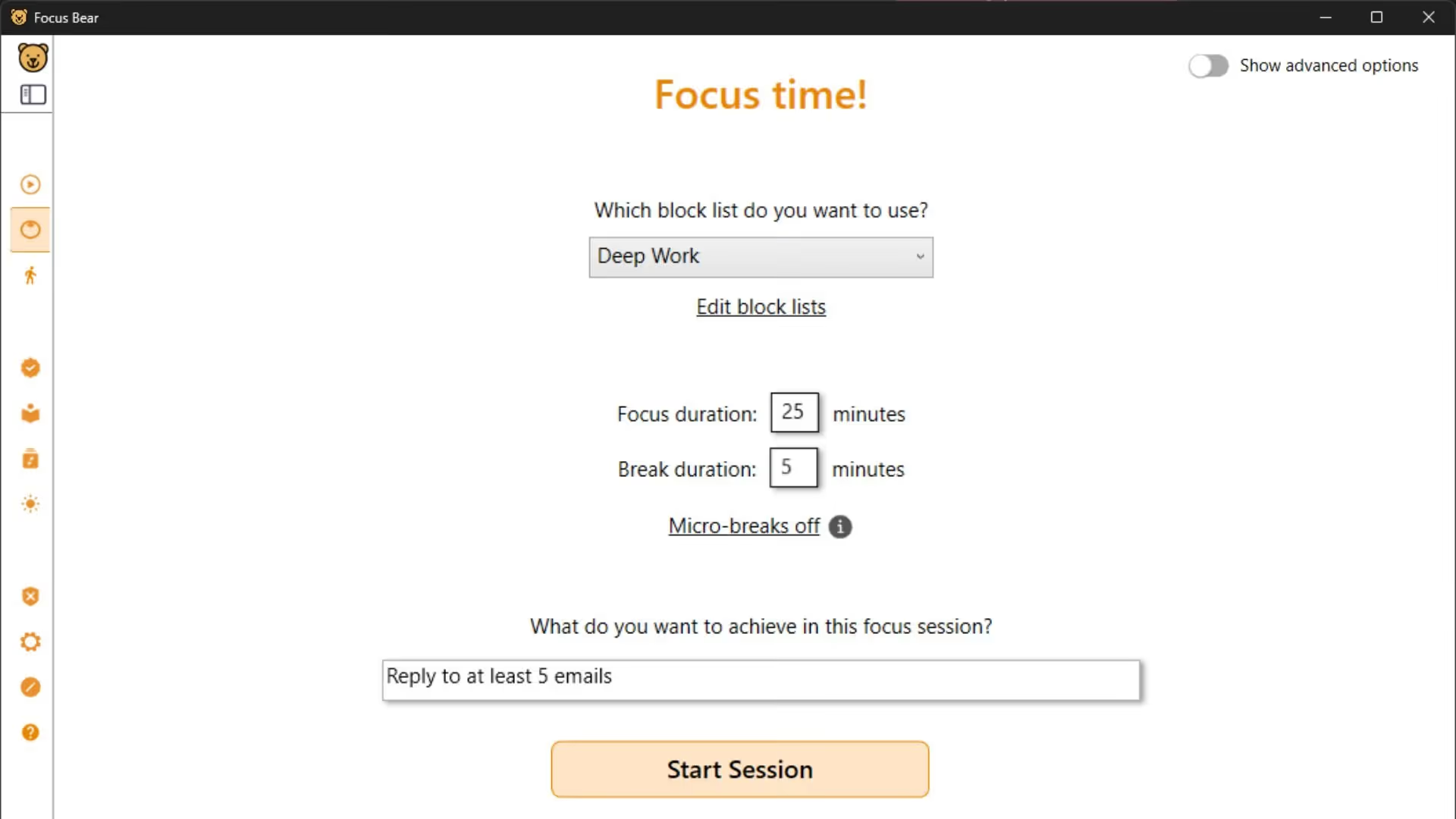
The hardest part is often getting started without getting distracted. Focus Bear supports this by letting you set a short, time bound focus session and automatically blocking distracting apps and websites during that window.
Instead of committing to a full routine or long workday, you can use Focus Bear for one small focus block and let that be enough. On post-holiday days, completing even a single protected session can help you feel grounded without pushing yourself past your limits.
Reintroduce one anchor, not a full routine
After the holidays, trying to rebuild an entire routine at once can feel overwhelming. Instead of recreating your “normal” day, focus on one small anchor — a single predictable moment that brings a sense of stability back into your day.
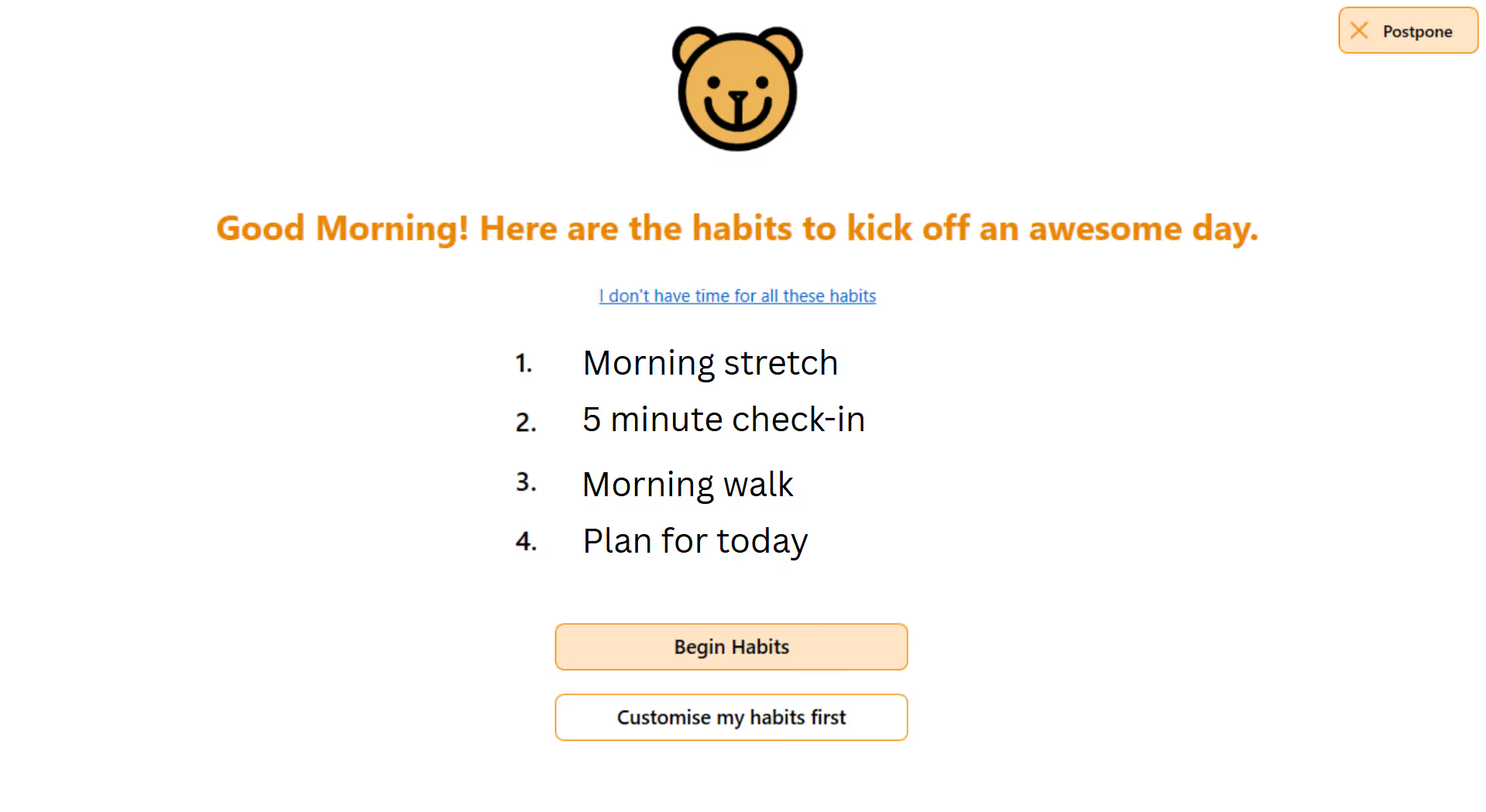
An anchor could be something simple and grounding, like a consistent wake-up time, a short walk, a morning stretch, or a five-minute check-in with yourself. The goal isn’t productivity. It’s predictability.
For neurodivergent people, routines are often regulating — but only when they’re introduced gently. One anchor is enough to remind your nervous system that there is structure again, without demanding more than it can handle right now.
Focus Bear supports this approach through its guided routines. Instead of asking you to plan or remember what comes next, the app gently walks you through a simple routine step by step. This reduces the executive load of deciding, sequencing, and starting — especially helpful during post-holiday recovery.
Work with your energy, not your motivation
After the holidays, motivation is often unreliable — and waiting to “feel ready” can leave you stuck. Instead of asking “Do I feel motivated?”, try asking “When do I have the most energy today?”
Neurodivergent energy often comes in waves. Some parts of the day might feel clearer or calmer than others. Planning around those natural energy windows — even if they’re short — can make tasks feel more doable without forcing yourself to push through exhaustion.
This might mean doing one important task when energy is highest and allowing lower-energy periods for rest, admin, or nothing at all. Working with energy respects how your brain actually functions, especially during post-holiday recovery.
Adjusting at your own pace
If post-holiday blues feels heavy right now, there’s nothing wrong with you. For neurodivergent people especially, the shift back into routine can take time. The emotional drop, low energy, and resistance to structure aren’t signs of laziness or failure — they’re signs of a nervous system adjusting after change.
You don’t need to rush yourself back to “normal.” Lowering the bar, starting with one small anchor, and working with your energy instead of against it allows things to settle naturally. Progress doesn’t have to be fast or impressive to count. Sometimes, easing back in gently is exactly what your brain needs.
Hi I'm Jeremy, and I understand the challenges of living with ASD and ADHD.


.avif)